Chronic pain rarely behaves like a simple symptom. It lingers, changes shape, and often steals parts of a normal life piece by piece. When people ask for a long term pain management doctor, they are not just searching for another prescription. They are looking for a partner who can navigate a problem that spans biology, psychology, and the realities of daily living. Good pain care aims for durable relief and restored function, not quick fixes that fade within weeks.
What “long term” really means in pain care
In a clinic, long term does not refer to a single treatment that works forever. It refers to a sustained plan with periodic re-evaluation. The plan evolves as the body heals or ages, as work and home demands shift, and as treatments either help or fall short. A pain management specialist expects to adjust course. If your back pain started after a lifting injury, the first three months might focus on inflammation control and movement retraining. Months four to nine might emphasize nerve desensitization and core endurance. Later, the focus often shifts to preventing flares, fine-tuning medications, and tackling sleep, mood, or weight if those factors still amplify symptoms.
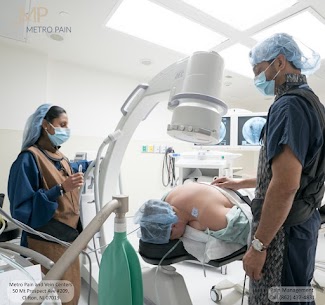
Many people meet a pain management physician after a frustrating sequence: primary care, imaging, perhaps a round of physical therapy, then persistent pain that limits work or sleep. That is the moment a comprehensive pain management doctor can help, because they bring diagnostic rigor and a broader set of tools. The goal is not simply less pain on a 0 to 10 scale, but the ability to carry groceries, sit through a meeting, travel, or play on the floor with a child without fear of a flare.
Who counts as a pain management doctor
The term covers several training paths, which is one reason patients get confused. A pain medicine doctor can be trained in anesthesiology, physical medicine and rehabilitation, neurology, or psychiatry, followed by a pain medicine fellowship. Many serve as interventional pain management doctors, skilled with procedures like epidural steroid injections, nerve blocks, and radiofrequency ablation. Others emphasize rehabilitation and long-horizon functional recovery. Board certified pain management doctors have passed a rigorous exam and maintain continuing education.

A pain management anesthesiologist often excels with image-guided procedures and perioperative planning. A pain management and rehabilitation doctor might integrate biomechanics and exercise more heavily. A pain management and neurology doctor is well positioned to treat migraines, trigeminal neuralgia, neuropathy, or radiculopathy. In complex cases, a multidisciplinary pain management doctor coordinates across orthopedics, neurosurgery, psychology, physical therapy, and primary care.
In practice, a good pain management provider blends these perspectives. Labels like pain control doctor or pain care doctor matter less than how they evaluate, communicate, and build a tailored plan.
The first meeting: what a thorough evaluation looks like
A careful pain management consultation runs longer than a typical office visit. The interview starts with your story: the onset, pattern, triggers, and what you have tried. Watch for how the pain management MD investigates details that shape the diagnosis. Back pain that worsens with extension and standing, and improves with sitting, suggests facet joint involvement. Pain that shoots down a leg, worsens with coughing, and follows a dermatomal path suggests disc herniation or foraminal stenosis. Burning in a stocking distribution, with numbness, may point to peripheral neuropathy, whereas electric jolts with neck rotation can hint at cervical radiculopathy.
A pain management expert will also ask about sleep, mood, trauma history, and daily routines. Not to pathologize the pain, but because untreated anxiety, depression, poor sleep, and social stress magnify it. The physical exam should combine neurologic testing with functional tasks. Can you perform a partial squat without pain? Does lumbar flexion reproduce symptoms? Does a Spurling maneuver in the neck trigger arm pain? These details narrow the problem from something vague like “chronic back pain” to something tractable like “L5 radiculopathy from foraminal stenosis on the right.”
Imaging has a role, but not a starring one. An experienced pain treatment doctor resists chasing every MRI finding. Many asymptomatic people show disc bulges or degenerative changes. The test results must match the exam and the story. Diagnostic injections can help clarify the pain generator. A medial branch block can identify facet-related pain. An intra-articular hip injection can tell you if the pain that seemed lumbar is actually coming from the hip.
Setting goals that actually drive decisions
The best outcomes start with specific targets, not just “reduce pain.” When a pain management consultant asks for goals, they are looking for activities you want back. Walk a mile without stopping. Sleep through the night at least five days a week. Work a full shift without leaving early. These goals help decide whether to pursue rehabilitation, injections, medications, psychological therapies, or surgery referral. They also tell you and the pain management practice doctor when a treatment is delivering enough value to continue.
A practical approach uses time-limited trials. Consider a six-week block of targeted physical therapy with a home program. If function improves by 20 to 30 percent, keep going. If not, pivot to a different method. That same logic applies to medications and procedures, which should earn their place in the plan.
The core tools a pain specialist doctor uses
Treatment options can be sorted into pillars, and most durable plans blend at least two.
Rehabilitation and movement. A non surgical pain management doctor often works hand in glove with physical therapy to rebuild capacity. Early on, this may look like pain-informed movement: graded exposure to feared activities, gentle range of motion, and isometric work to quiet reactive muscles. Later, it shifts to load-bearing strength, coordination, and endurance. If you are dealing with chronic neck pain, deep neck flexor training and scapular control usually move the needle more than passive modalities. For chronic back pain, hip and trunk strength with progressive loading tends to outperform long-term rest or bracing.
Medication management. A medical pain management doctor curates a small toolkit rather than a crowded cabinet. NSAIDs help in flares, but long-term use can bother the stomach or kidneys. Acetaminophen has a ceiling dose and liver considerations. Neuropathic agents like duloxetine, gabapentin, or pregabalin can reduce nerve-related pain, but side effects like sleepiness or dizziness must be weighed. Topicals such as lidocaine or diclofenac can be surprisingly useful for localized pain with low systemic risk. Muscle relaxants have a role for brief periods. Opioids can be considered in narrow situations and under close monitoring, but many chronic pain patients achieve better function with opioid alternatives. A skilled non opioid pain management doctor focuses on efficacy, tolerability, and the smallest effective dose for the shortest time.
Interventional procedures. An interventional pain specialist doctor uses needles, ultrasound, or fluoroscopy not as a reflex, but as part of a larger strategy. Epidural injections, medial branch blocks, radiofrequency ablation, facet or sacroiliac joint injections, and peripheral nerve blocks all have specific indications. When epidural steroid injections temper a radicular flare, physical therapy can proceed with less pain. When radiofrequency ablation quiets facet joints for 6 to 12 months, the window opens for strength and mobility work. Not every candidate benefits. A thoughtful spinal injection pain doctor confirms the pain source through history, exam, and sometimes diagnostic blocks before moving to definitive procedures.
Mind-body and behavioral therapies. Cognitive behavioral therapy for pain, acceptance and commitment therapy, and biofeedback can reduce catastrophizing, improve pacing, and normalize sleep. People sometimes read this as “it’s all in your head.” It is not. The brain processes pain, modulates it, and learns patterns. Changing those patterns often lowers pain intensity and restores capacity. A holistic pain management doctor recognizes how sleep, diet, stress, and habits shape the nervous system’s sensitivity.
Integrative approaches. For some patients, acupuncture, yoga, Pilates, or tai chi meaningfully reduce symptoms and improve resilience. Not all modalities fit every condition. A clinician with experience will suggest what aligns with your diagnosis and your preferences.
Surgical evaluation. A pain management and spine doctor knows when to send someone to a surgeon. Progressive neurologic deficits, severe stenosis with claudication that limits walking, or intractable sciatica from a large herniated disc that fails to respond over several months, these warrant surgical input. Good pain management includes knowing when not to delay.
Matching treatments to specific conditions
A pain management doctor for back pain assesses whether the pain is nociceptive from joints and muscles, neuropathic from nerve root compression, or mixed. Radiculopathy from a herniated disc often responds to a blend of mechanical traction, anti-inflammatories, nerve glides, and sometimes an epidural steroid injection to quiet inflammation at the affected level. If it persists beyond several months with confirmed compression and weakness, surgery may enter the conversation.
Facet arthropathy, a common cause of mechanical low back pain that worsens with extension, may respond to medial branch blocks. If two diagnostic blocks improve pain substantially for a brief window, radiofrequency ablation can disable the painful nerves for six to twelve months. That is enough time to fortify muscle support and improve mechanics. A radiofrequency ablation pain doctor will counsel that nerves can regrow, and the procedure may need to be repeated. Results vary, but many see meaningful function gains.
Sacroiliac joint pain often masquerades as lumbar or hip pain. A targeted exam and a diagnostic SI joint injection can clarify it. If confirmed, focused exercise and sometimes radiofrequency around the lateral branches can help. Again, the story and exam guide the decision more than any one scan.
Cervical radiculopathy and chronic neck pain call for nuanced care. A pain management doctor for neck pain evaluates posture, scapular mechanics, and ergonomics. For nerve pain down the arm, a short course of cervical traction, neuropathic medications, and time-limited use of a soft collar in select cases may reduce symptoms. If conservative measures fail, an epidural or selective nerve root block can allow exercises to proceed with less pain. Patients with headaches linked to cervical facet joints sometimes benefit from medial branch blocks and radiofrequency, but the response is variable and should be tested carefully with diagnostic blocks.
Arthritis and joint pain benefit from a blend of weight management, strength training, topical agents, and periodic injections for flares. A pain management doctor for arthritis keeps the focus on motion, strength, and activity plans that protect joints. Knee osteoarthritis often improves when the quadriceps and gluteal muscles strengthen by even modest margins. For shoulders, rotator cuff and scapular stabilizer work matter more than repeated steroid shots. Steroid injections can help in flares, but frequent use may weaken tissue.
For migraines and headaches, a pain management doctor for migraines weighs preventive strategies like beta-blockers, topiramate, or CGRP antagonists alongside lifestyle factors and abortive medications such as triptans. Greater occipital nerve blocks can reduce attack frequency in some patients. Overuse of analgesics can rebound into more headaches, so a structured plan to limit acute medication days each month pays off.
Neuropathic conditions like peripheral neuropathy or postherpetic neuralgia often require layered care. A pain management doctor for neuropathy may suggest duloxetine or gabapentin, careful foot care, balance training to prevent falls, and topical lidocaine patches. When neuropathy stems from diabetes, even modest improvements in glycemic control can lower pain over months.
Fibromyalgia demands a different approach. Widely amplified pain, fatigue, and sleep disturbance respond best to a combination of graded exercise, sleep hygiene, cognitive and behavioral strategies, and low-dose medications like duloxetine or amitriptyline. Procedures rarely help. A chronic pain specialist’s role here is coaching, pacing, and celebrating gradual progress, because the gains come inch by inch.
About injections and when to use them
Patients often arrive asking for injections, or adamantly against them. The truth is in the middle. Injections are tools, not magic. An epidural injection pain doctor may recommend one to break a cycle of radicular pain so that a patient can resume activity and therapy. A nerve block pain doctor might use a selective block diagnostically to confirm the source, because treating the wrong structure delays recovery. Radiofrequency ablation suits well-selected cases of facet pain that respond convincingly to diagnostic blocks. Steroid risks exist, including transient blood sugar spikes, mood changes, and, rarely, infection. The risk profile changes with frequency and dose. A careful pain management injections specialist will tally expected benefit against the costs and discuss both openly.
Medication stewardship, especially for the long haul
Medication choices shift over time. Early after an acute flare, NSAIDs and short-term muscle relaxants can help. As weeks pass, the plan focuses on agents that improve function without snowballing side effects. For neuropathic pain, gabapentin or pregabalin may cut burning or electric pains, but dosing must start low and build slowly to avoid sedation. Duloxetine carries evidence for chronic musculoskeletal pain and for neuropathy, and it may help mood when depression rides with pain. Topicals like lidocaine or capsaicin patches provide focused relief without systemic burden.
Opioids have a narrow role. Long-term opioid monotherapy for chronic non-cancer pain often leads to tolerance, constipation, hormonal effects, and diminished function. A non opioid pain management doctor can usually build a more sustainable plan using multimodal strategies. If opioids are used, clear functional goals and periodic taper attempts keep the risk profile manageable. In some complex cases, buprenorphine serves as an opioid alternative when dependence risk is a concern, because of its ceiling effect on respiratory depression. This is technical territory that demands a seasoned pain management medical doctor and a patient who understands the commitments required.
The real work between visits
The hour you spend with a pain management provider sets direction, but outcomes hinge on what happens the other 167 hours each week. Good care teaches self-management. Pacing matters more than most people expect. Many patients cycle between boom and bust: overdo on good days, crash the next. A steadier pattern, with consistent, modest activity increases, builds durable gains. Sleep becomes a treatment, not an afterthought. Aiming for a regular schedule, a cool dark room, and technology limits near bedtime can move pain scores more than another pill.
Stress physiology and pain amplify each other. Brief daily practices, even five minutes of diaphragmatic breathing, mindfulness, or guided relaxation, lower sympathetic arousal. For people who hate meditation, a quiet walk or time in nature can play the same role. Nutrition will not cure arthritis, but lowering ultra-processed foods and ensuring adequate protein supports tissue repair and energy for exercise. Pain intensity rarely drops to zero. What changes is your buffer, your ability to function with tolerable discomfort and fewer spikes.
Coordinating complex care
Some cases need a complex pain management doctor who can quarterback across specialties. Consider a person with post-surgical spine pain, residual radiculopathy, and a fear of movement after a failed return to work. A piecemeal approach will falter. The plan might include a series of graded exposure sessions with a physical therapist, a trial of duloxetine, an epidural if radicular pain stays high, and weekly behavioral sessions focused on fear reduction and activity scheduling. If the patient also has diabetes and sleep apnea, referrals to endocrinology and sleep medicine tie into the same plan. The pain management services doctor keeps everyone aligned with specific milestones and a timeline.
How to choose a pain management doctor near me
Credentials help, but fit matters more than most people think. Look for a board certified pain management doctor or a pain medicine physician with fellowship training, and then listen to how they explain your condition. Do they examine you carefully, or do they leap to a procedure? Do they set measurable goals and define what success looks like? Do they discuss risks and alternatives? Do they integrate rehabilitation and self-management, or only write prescriptions?
In an ideal visit, the pain management expert physician will map the problem with you, outline two or three viable paths, and ask which one aligns with your values. They should welcome your questions. If you ask, “What is the expected benefit of this injection, and how long might it last?” you should get a grounded answer, not a guarantee. If they suggest an opioid, they should explain monitoring rules, functional targets, and exit plans.
Here is a brief checklist you can use when you meet a prospective pain management doctor.
- Ask how they match procedures to diagnoses. Watch for specific criteria and diagnostic steps, not generic promises. Ask what success looks like in two months, six months, and one year. You want concrete functional targets. Ask how they coordinate with physical therapy and behavioral health. Silos slow progress. Ask how they monitor medication side effects and dose creep. Stewardship is a skill. Ask how they handle setbacks and flares. A plan for bad weeks is part of care.
Examples from the clinic, and what they teach
A warehouse worker in his forties with acute sciatica after lifting a pallet arrived guarded and sleep-deprived. He had tried a week of bed rest and over-the-counter pills. At evaluation, he could barely tolerate sitting. Straight leg raise was positive on the right. We started an anti-inflammatory, a gentle nerve glide and walking plan, and arranged a lumbar epidural because the radicular pain was severe. Two weeks later he was walking thirty minutes daily, down from 8 out of 10 pain to 4, and sleep had improved. By week eight he had returned to light duty and shifted to a strengthening program. The epidural was not the hero, it simply opened a door. The gains stuck because he built capacity.
A fifty-eight-year-old woman with chronic neck pain and headaches after a rear-end collision had cycled through massage and three rounds of injections elsewhere. Her headaches started in the neck and spread to the temples. Exam suggested cervical facet involvement and poor scapular mechanics. We paused procedures and focused on deep neck flexor training, scapular control, and a work ergonomics overhaul. After four weeks she was sleeping better and using fewer analgesics. Diagnostic medial branch blocks later confirmed facet pain, and radiofrequency ablation gave her a six-month window with low pain that she used to build strength at the gym. Two years later, she still has occasional flares, but they last days, not weeks, because she has a plan.
A retired teacher with fibromyalgia and osteoarthritis came in fearing movement and taking three sedating medications. We set two goals: walk fifteen minutes most days and sleep for six hours straight four nights a week. We simplified medications, added duloxetine, referred for a six-session CBT-for-pain program, and started a gentle pool exercise routine. Progress felt slow. By month three she reported walking twenty minutes and dozing off less in the afternoon. By month six, she described a life that felt livable. Pain was still present, but its weight had changed. No single treatment did it. The combination did.
The economics and ethics of durability
Quick fixes sell. Durable plans perform. An advanced pain management doctor has to weigh value, not just efficacy in a vacuum. A procedure that produces modest short-term relief but allows a patient to avoid surgery while they build strength can be worth it. Another procedure that provides the same modest relief without changing long-term function may not be. Honest conversations about cost, expected benefit, and alternatives build trust. Insurance constraints can complicate ideal sequencing, but a seasoned pain management clinic doctor will navigate authorizations and appeal when evidence supports a choice.
Stewardship also applies to imaging. If a six-month-old MRI shows what your symptoms already explain, repeating the scan may not change management. On the other hand, new neurologic deficits warrant a fresh look. Experienced clinicians avoid both over-testing and under-testing by tying each test to a decision point.
When pain is not straightforward
Sometimes, pain stays high despite thorough care. Complex regional pain syndrome, widespread central sensitization, or severe post-surgical pain can challenge even the best plans. That is when a complex pain management doctor taps advanced options. Sympathetic blocks may help in CRPS. Spinal cord stimulation can cut neuropathic limb pain or failed back surgery pain when conservative measures fail. Dorsal root ganglion stimulation targets focal neuropathic pain with precision. These devices are not first-line and require careful selection, trial periods, and shared decision-making. They can, however, return function to people who had nearly given up.
Building a long-term alliance
The most useful promise a pain management provider can make is not that they will eliminate pain, but that they will stay engaged, iterate wisely, and measure progress by function and quality of life. If you leave a visit with a clear plan, a timeline, and a way to judge pain management doctor NJ whether the plan is working, you are in good hands.
When people search for the best pain management doctor, they often want certainty. What they actually need is a partner who combines knowledge with judgment and humility. Pain care lives in the details: the way you lift a suitcase into the trunk, the half hour before bed, the first ten minutes of a flare when you decide whether to cancel your day or adapt it. A strong relationship with a long term pain management doctor turns those small decisions into momentum.

Conditions and scenarios where a focused pain management MD adds value
Back and neck pain with leg or arm symptoms. A pain management doctor for sciatica or a pain management doctor for radiculopathy blends targeted rehab with time-limited anti-inflammatory strategies and, if needed, epidural injections to reduce nerve root inflammation. Clear red flags, like foot drop or progressive weakness, trigger a surgical consult.
Joint pain from osteoarthritis. A pain management doctor for joint pain emphasizes strength around the joint, weight management, and flares treated with topical agents or occasional injections. Hyaluronic acid injections have mixed evidence. Steroids can help episodically, but overuse can harm cartilage. Bracing and gait retraining sometimes change mechanics enough to relieve pain.
Nerve-related conditions. A pain management doctor for nerve pain weighs medications that calm ectopic firing. For meralgia paresthetica, a lateral femoral cutaneous nerve block combined with weight loss and wardrobe modification can resolve symptoms. For occipital neuralgia, nerve blocks or radiofrequency at the occipital nerves sometimes reduce attacks dramatically.
Headaches. A pain management doctor for headaches coordinates with neurology when red flags arise, such as thunderclap onset or new headaches in patients over 50. For primary migraines, prevention strategies and lifestyle repair beat frequent emergency department visits for injectable relief.
Disc problems. A pain management doctor for disc pain educates on time frames. Many herniated discs shrink over months. Gentle loading and graduation back to normal activity outperforms extended bed rest. Injections can ease the journey, but do not resolve the herniation directly. Surgery has a role when pain is intractable or deficits are progressive.
A brief guide for flares and setbacks
Even with a solid plan, flares happen. Having a playbook lowers panic. Here is a simple, clinician-tested structure for most musculoskeletal flares.
- Adjust activity, do not stop. Reduce intensity by 30 to 50 percent for several days while keeping frequency. Use short-term relief tools. Topicals, NSAIDs if safe, heat or ice, and positions of comfort. Keep a backbone routine. Gentle mobility drills and easy walks maintain circulation and confidence. Sleep first. Protect 7 to 8 hours with a consistent schedule and a screen curfew. Rebuild gradually. After three to five days, step activity back up in small increments.
Most flares settle within one to two weeks when handled calmly. If new numbness, weakness, bowel or bladder issues, fever, or severe unremitting pain show up, call your pain relief doctor promptly.
The quiet metric that matters most
Ask a pain management practice doctor how they know their care works, and you will hear a version of this: patients report doing more with less fear. They travel again. They garden for an hour without lying down afterward. They take a grandchild to the park. Pain intensity is one metric. Function, confidence, and participation tell the fuller story. A long-term plan for pain is not a straight climb. It is a staircase with pauses and landings. With the right blend of expertise and self-care, the landings get shorter, and the steps get easier to climb.
If you are looking for a pain management doctor near me, focus on fit, clarity, and a plan that respects your goals. The right pain management provider will treat you as a partner, not a diagnosis, and will build a path that sustains relief and function over seasons, not days.